|
General
Sample text Sample text Sample text Sample text Sample text Sample text Sample text Sample text Sample text Sample text
Culture
Nonhumans in society
Temporary summary: several species of nonhuman creatures with human intelligence and resemblance live as equal people with humans
Body modifaction, cyborgs, and disability
Temporary summary: body modification is very common and a fairly large part of some cultures. in some cases its extreme enough for cyborgs to be pretty common. some people choose to become cyborgs for personal taste, while others may choose to do so to enhance themselves, such as one of the protagonists, norman wormwood. because of this diversity and cultural relavence, visible disability, such as mobility aids and prostethics, is treated as completely normal. in general, ableism exists to a far lesser degree in this world than in the real world.
Creatures
Lycanthropes
Creation
One can become a lycanthrope through a bite, or being born from lycanthrope parents. [logistics].
|
Diversity
Lycanthropes can be any animal, not just wolves.
|
Animalistic Forms and Human Forms
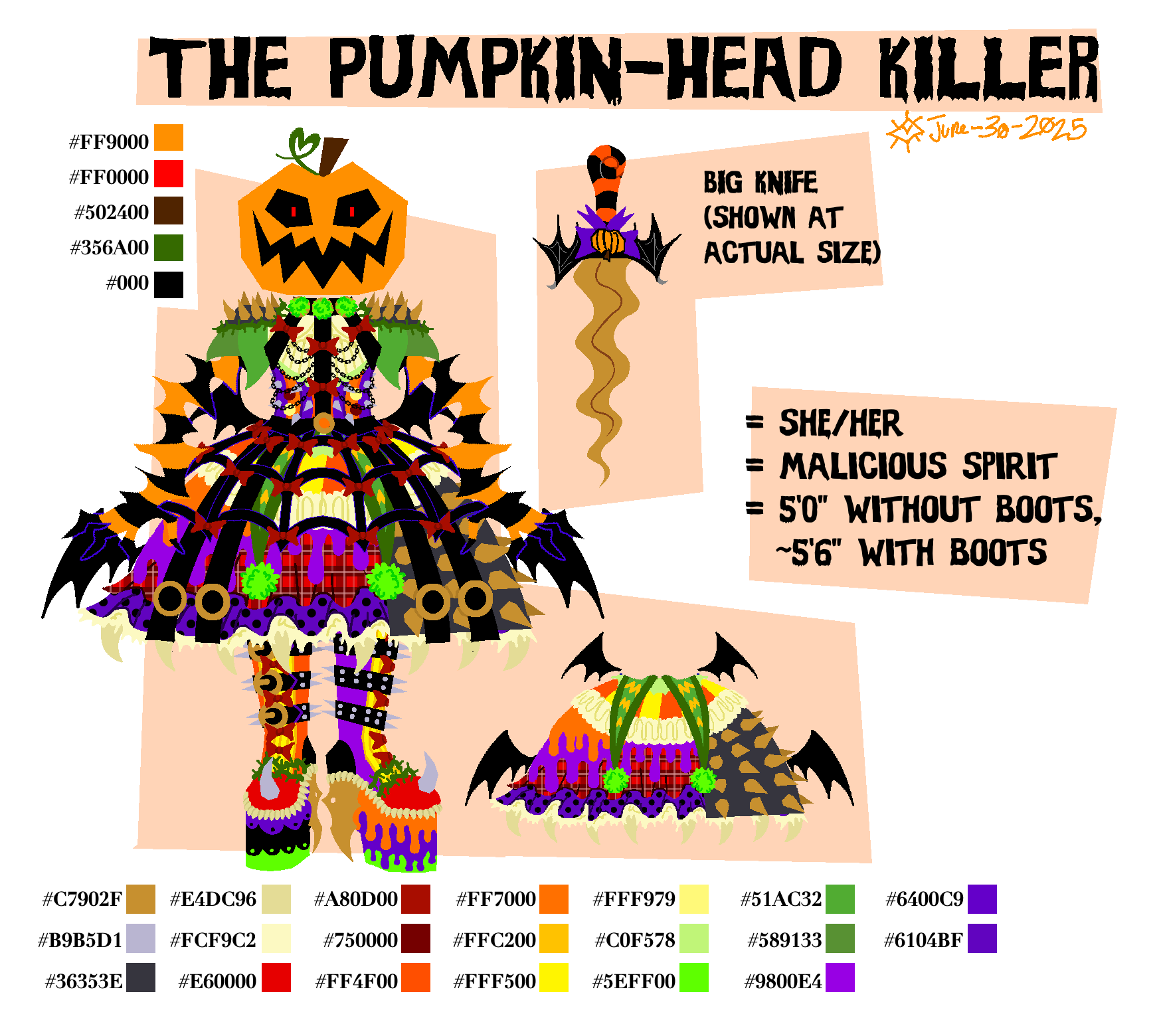
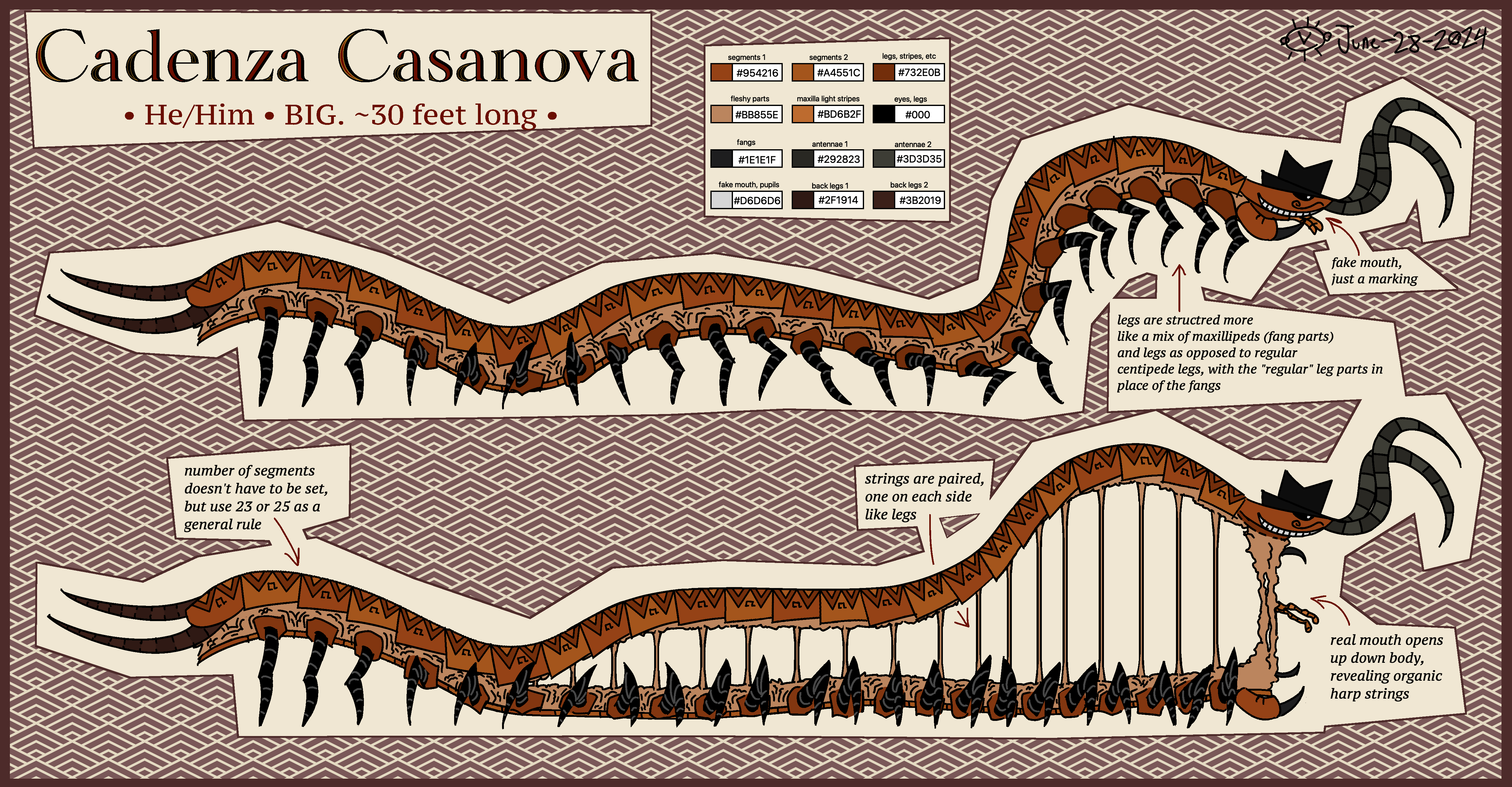
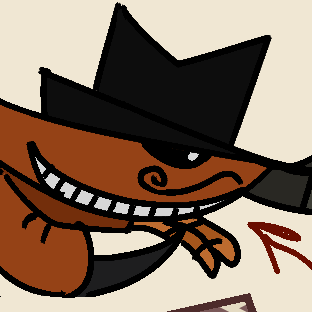
• Animalistic forms vary in how animal-like vs how humanoid they are, though they are never quite just that of a regular animal
• animalistic forms generally look different to animal-people, they are much more menacing, and usually do not have the regular human sillouette and posture that animal-people have.
• the amount of control a lycanthrope has in their animalistic form is a matter of experience; they will never have 100% control, but older lycanthropes may get close.
[Image here]
|
Shifting
• the act of shifting is painful, but lycanthropes generally have higher pain tolerences than humans
• Full moon will always trigger transformation
• Aside from the full moon, lycanthropes learn to control their abilities as they age and eventually become able to shift at will
|
Vampires
Creation
• One can become a vampire through a bite, or being born from vampire parents.
• Not all bites turn the one being bitten, a vampire must inject their venom into the victim to turn them. […]
• [further logistics].
|
Diversity
• What species of bat a vampire is depends on their ethnicity.
• A vampire's skin tone is determined by genetic background, like humans, but their hair color is determined by bat species.
|
Aging
• Vampires are not immortal, but they have very long lifespans and age very slowly.
• Vampires born from vampire parents age slowly through their whole lives. A human who is transformed via bite will have their aging prcoess dramatically slowed down as part of being turned. The average vampire lifespan is about 500 years (*subject to change).
|
Feeding
• All vampires feed on human blood. Depending on their bat species, they can eat other things and benifit from it (ie. fruit, insects, etc), but it cannot substitute blood
• If a vampire eats something outside of human blood and their bat diet, their body cannot process it properly and will get sick.
• While vampires can consume non-human blood and not get sick, it will not benifit them at all, as if they ate nothing
• if a vampire goes too long without feeding, they will lose control of themself and are likely to attack whoever they can get their hands on first.
|
Anatomy
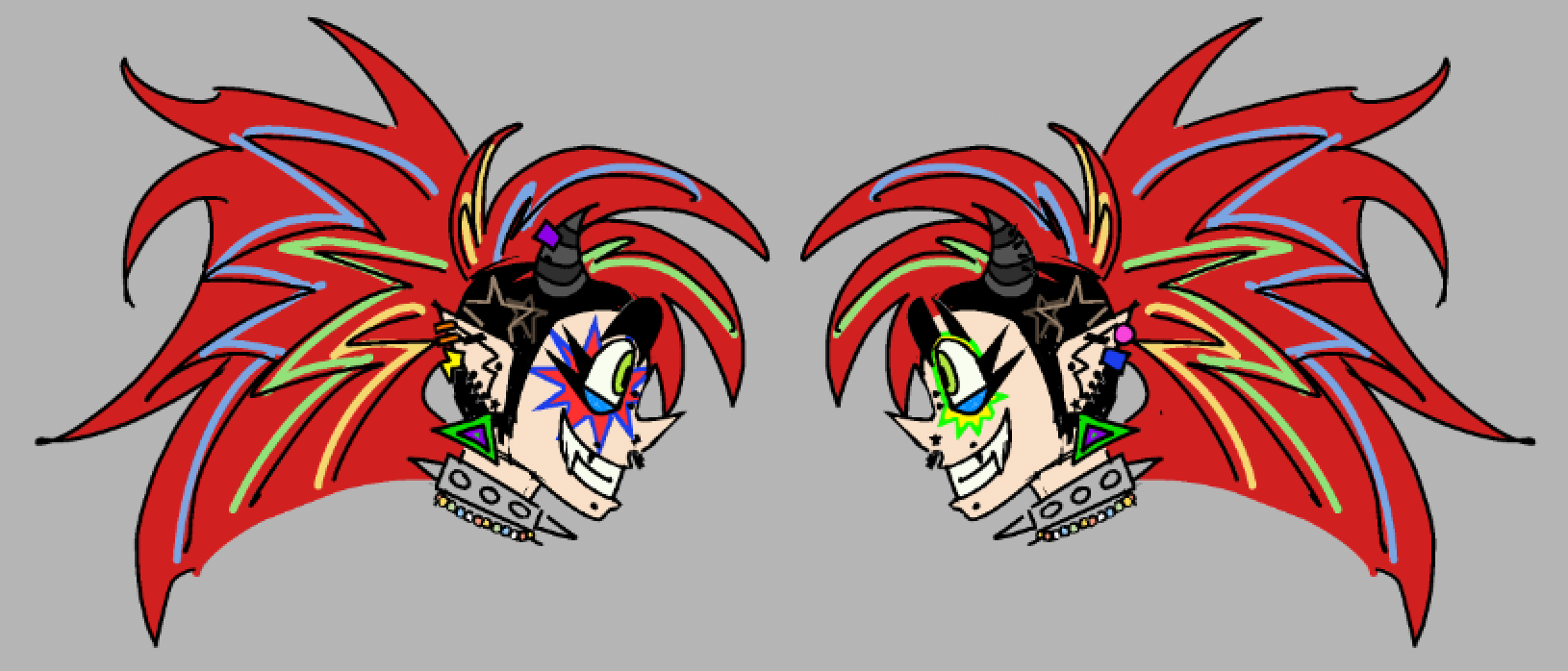
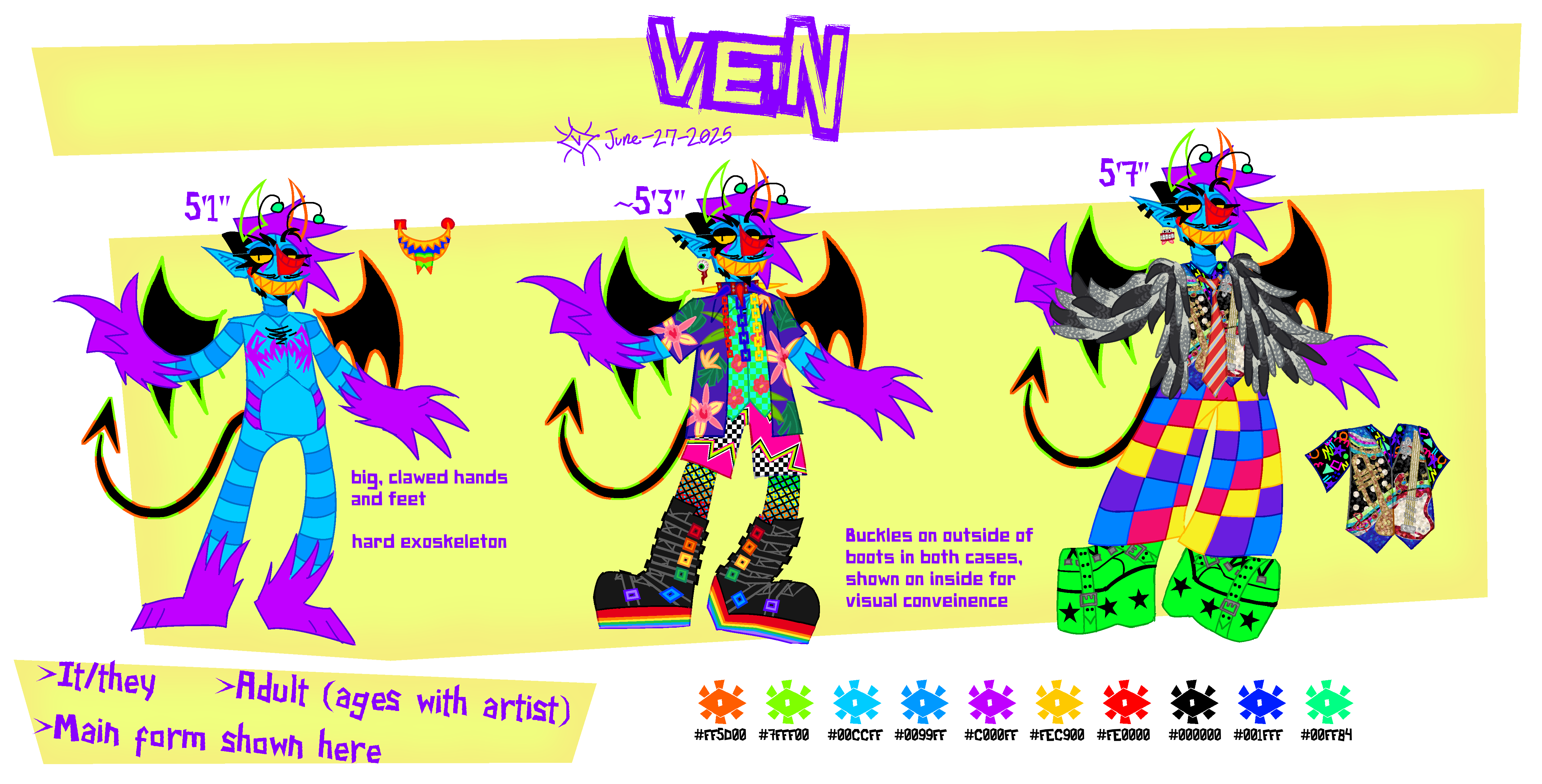
Vampires appear as a hybrid between a bat and a human. They only have one fixed form.
[Image here]
|
|
Strengths and Weaknesses
• Being in direct sunlight for too long will kill a vampire.
|
|
Animal-people
Diversity
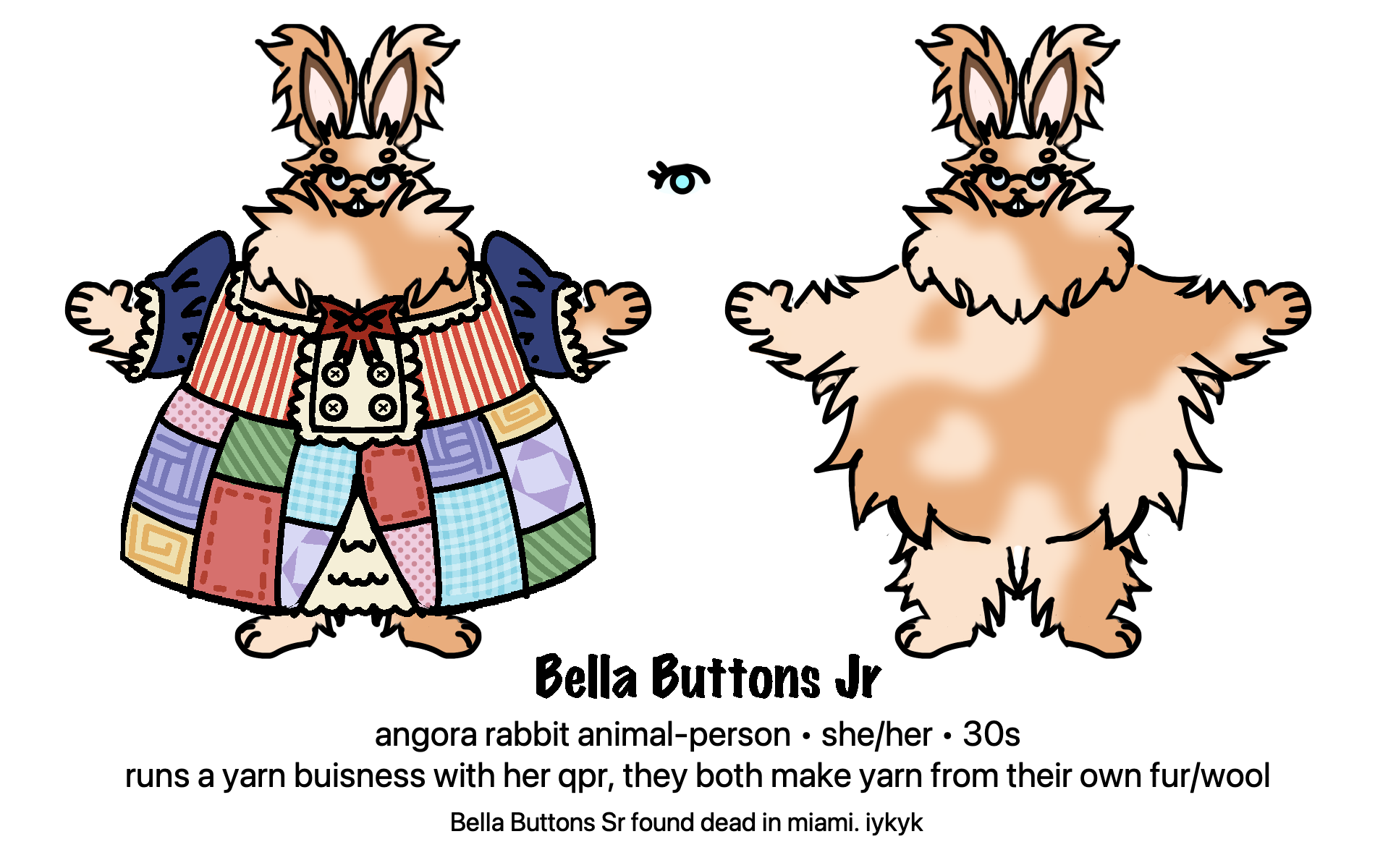
Sample text Sample text Sample text Sample text Sample text Sample text Sample text Sample text Sample text Sample text
Form
Sample text Sample text Sample text Sample text Sample text Sample text Sample text Sample text Sample text Sample text
[Image here]
|
|
|